Healthy Weight Loss for Women Over 30 – Safe, Smart, and Sustainable Strategies


turning 30 changes a lot.
your priorities shift, your schedule gets fuller, and yes—your body starts responding differently too.
maybe weight loss used to feel simple in your 20s. you could cut calories for a few weeks, move a bit more, and the scale would cooperate. now it feels like you’re doing everything “right,” but nothing moves.
if that sounds familiar, you’re not broken.
your body is simply changing.
and the good news is this: healthy weight loss for women over 30 is absolutely possible—but the approach needs to be smarter, kinder, and more realistic than quick fixes.
this guide is written for real women with real lives. no extremes. no shame. no unrealistic promises. just practical habits that actually work long term.
why weight loss feels harder after 30
after 30, your body doesn’t suddenly turn against you—but it does change how it works.
many women notice:
slower metabolism
hormonal shifts
gradual muscle loss
higher stress levels
less time for structured workouts
lighter, more broken sleep
none of this is a failure. it’s normal aging mixed with adult life responsibilities.
as muscle mass slowly decreases, your body burns fewer calories at rest. stress hormones like cortisol rise more easily. estrogen fluctuations can change where fat is stored—often around the belly, hips, and thighs.
the key lesson here is important:
you can’t use a 20-year-old strategy on a 30+ body and expect the same results.
the solution isn’t more restriction. it’s better alignment with your body.
step 1: stop chasing crash diets
if there’s one habit that backfires hardest after 30, it’s extreme dieting.
very low-calorie plans may work briefly, but they almost always lead to:
slowed metabolism
muscle loss
stronger cravings
low energy
fast weight regain
skipping meals, cutting entire food groups, or eating “as little as possible” stresses your body—and stressed bodies hold onto fat.
after 30, your body responds best to consistency, not punishment.
aim for progress you can maintain, not results you can only survive for a few weeks.
why extreme dieting stops working?
understanding why extreme dieting stops working can help you avoid cycles of weight loss and regain.
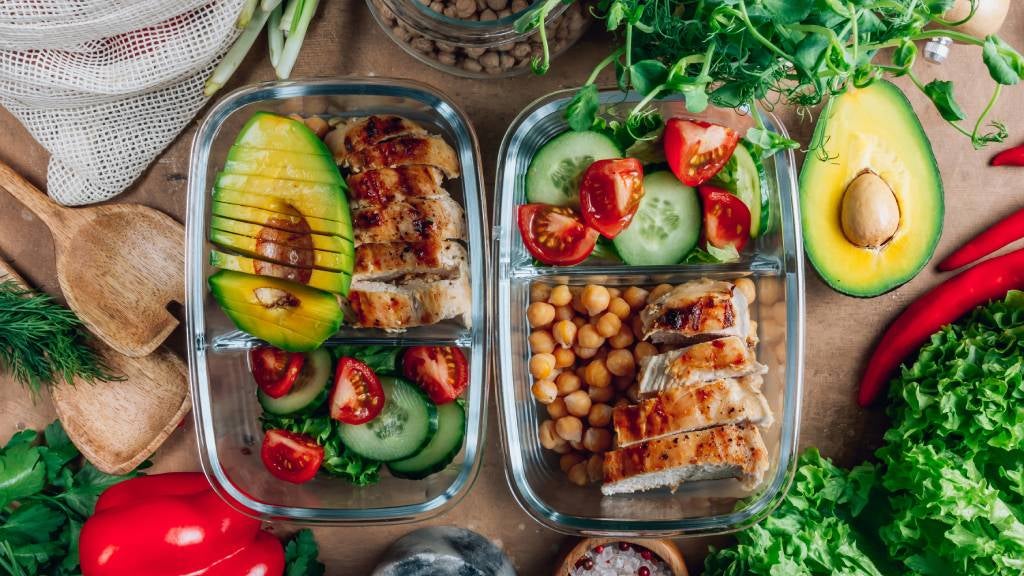
step 2: shift from eating less to eating better
weight loss after 30 isn’t about starving. it’s about nourishing your body properly.
balanced meals help regulate hormones, energy, and appetite.
focus on foods like:
lean protein
vegetables
fruits
whole grains
healthy fats
protein deserves special attention. it helps preserve muscle, keeps you full longer, and supports metabolism.
good protein options include:
eggs
chicken
fish
greek yogurt
beans and lentils
reduce (not eliminate):
ultra-processed foods
sugary snacks
fast food
sweetened drinks
this isn’t about perfection. it’s about building meals that leave you satisfied—not deprived.


step 3: make strength training non-negotiable
this is where many women over 30 get stuck.
doing only cardio while ignoring strength training slows results dramatically.
muscle naturally declines with age. less muscle means a slower metabolism—even if you eat the same.
strength training helps:
boost metabolism
reshape your body
improve bone health
increase daily calorie burn
build confidence
you don’t need long workouts or heavy weights.
even 2–3 short strength sessions per week can change how your body responds to fat loss.
simple options include:
bodyweight exercises
resistance bands
light dumbbells
pilates
cardio is helpful, but strength training is what makes weight loss sustainable after 30.


step 4: manage stress before it manages your weight
stress is one of the most overlooked weight-loss blockers for women over 30.
chronic stress increases cortisol, which is strongly linked to:
belly fat storage
intense cravings
emotional eating
poor sleep
stalled progress
this doesn’t mean “stress less” is easy—but it does mean stress management matters.
small daily habits make a big difference:
walking outside
stretching or yoga
deep breathing
short screen breaks
quiet time before bed
these aren’t luxuries. they’re tools that support hormone balance and fat loss.
step 5: support your body wisely
after 30, many women benefit from extra support—but supplements should never replace good habits.
helpful options may include:
protein shakes for busy days
basic multivitamins
omega-3s
gentle metabolism or appetite support
think of supplements as assistants, not solutions.
always prioritize food, movement, sleep, and stress first. support works best when the foundation is strong.
step 6: protect your sleep like it matters (because it does)
sleep is not optional for weight loss anymore.
poor sleep disrupts hunger hormones, increases cravings, and lowers energy.
when sleep suffers:
appetite increases
sugar cravings rise
motivation drops
fat loss slows
aim for:
7–8 hours of sleep
a consistent bedtime
reduced screen time at night
many women notice visible changes simply by improving sleep alone.
step 7: adjust expectations and trust slow progress
one of the biggest mindset shifts after 30 is patience.
healthy, sustainable weight loss looks like:
0.5–1 pound per week
steady habits
fewer extremes
long-term consistency
this pace may feel slow—but it’s the kind that stays off.
fast loss often comes back. slow loss builds confidence, strength, and trust in your body.
common mistakes women over 30 should avoid
these habits quietly stall progress:
skipping meals to “save calories”
cutting calories too low
doing only cardio
expecting fast results
ignoring sleep
underestimating stress
following trendy fad diets
avoiding these mistakes already puts you ahead of most people.
a simple weekly routine that actually works
nutrition
include protein at every meal
focus on whole foods
limit sugar and ultra-processed snacks
movement
2–3 strength workouts
3–4 days of walking or light cardio
lifestyle
prioritize sleep
manage daily stress
drink enough water
simple beats extreme—every time.
final thoughts
healthy weight loss for women over 30 is not about doing more.
it’s about doing what actually fits your life.
your body isn’t working against you—it just needs a different approach now.
with balanced nutrition, strength training, stress management, good sleep, and patience, real change is absolutely possible.
start where you are. take one step at a time. stay consistent.
your goals are still within reach—and this time, the results can last.
natural wellness support
others choose natural wellness support as part of a balanced routine, especially when consistency is hard to maintain.
frequently asked questions
can women over 30 lose weight in a healthy way?
yes. many women over 30 successfully lose weight by focusing on balanced meals, regular movement, strength training, and better sleep. healthy weight loss at this stage is about long-term habits rather than quick results.
why does weight loss feel harder after 30?
as women get older, metabolism naturally slows a little and muscle mass can decrease if strength training is not included. hormone changes, higher stress levels, and less sleep can also affect how the body stores fat. adjusting lifestyle habits usually makes a big difference.
do women over 30 need to eat less to lose weight?
not necessarily. eating too little can slow metabolism and increase cravings. many women see better results by eating balanced meals with enough protein, fiber, and healthy fats rather than heavily restricting calories.
is exercise required for weight loss after 30?
movement is helpful, but it doesn’t need to be extreme. walking, light cardio, and basic strength exercises a few times per week can support fat loss, energy levels, and overall health. consistency matters more than intensity.
is strength training really important after 30?
yes. strength training helps preserve muscle mass, which supports metabolism and body tone. even short home workouts using bodyweight or resistance bands can be effective when done regularly.
can stress affect weight and appetite?
yes. ongoing stress may influence eating habits, sleep quality, and motivation. simple stress-management habits like walking, stretching, or taking short breaks can support overall wellness and make healthy routines easier to maintain.
are supplements necessary for women over 30?
supplements are optional. some women choose protein powders, vitamins, or natural wellness products to support their daily routine, especially on busy days. supplements work best when combined with healthy eating and lifestyle habits, not as replacements.
how can affiliate wellness products fit into a healthy routine?
affiliate wellness products can be used as supportive tools, such as protein shakes for convenience or supplements to fill nutritional gaps. they should always be used alongside balanced meals, movement, and good sleep rather than as quick fixes.
how long does it take to see results?
results vary for every woman. many notice changes in energy, appetite, or mood within a few weeks, while visible weight changes often take longer. slow, steady progress is more sustainable and easier to maintain.
what is the biggest mistake women over 30 should avoid?
one common mistake is expecting fast results from extreme diets or workouts. these approaches are hard to maintain and often lead to frustration. focusing on realistic habits usually leads to better long-term success.

.jpg)
Comments
Post a Comment